I recently built a home theater PC on Linux. In years gone by this would have been much harder than doing the same thing on Windows or macOS. Today it’s easier, because my agent can do it without my intervention.
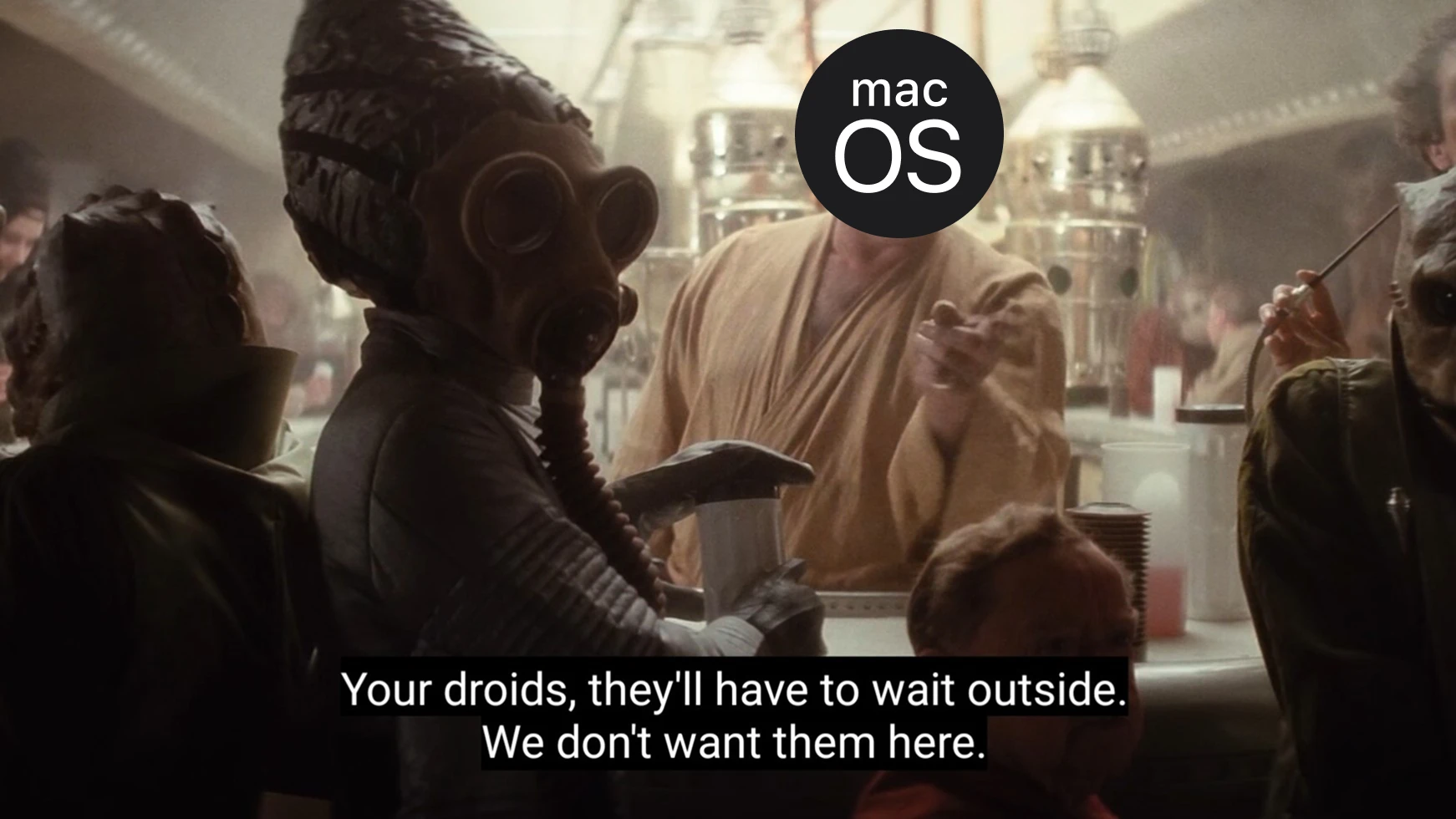
The two major desktop operating systems “outgrew” text-based UI decades ago. They were designed to please humans with pretty graphics, pointing devices over text input, and progressive disclosure. They even require human click events to make certain changes, because Apple decided blocking synthetic events was a valid security posture.
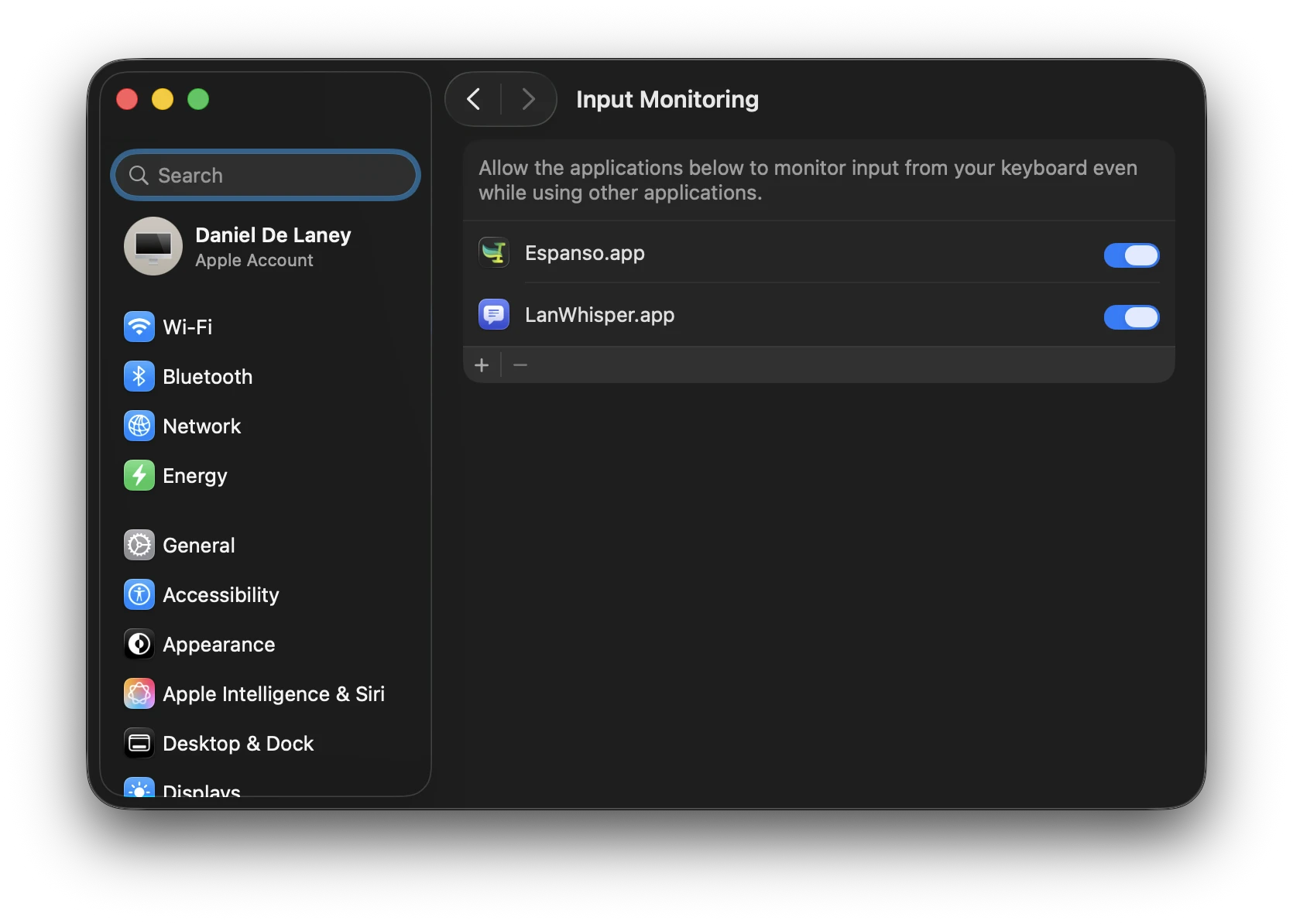
For example, take the macOS System Settings app. Compared to a config file or shell command, most designers would call it better UI. And yet the only way to change some of the settings within is to open it and click on things. I hate doing this now.
One moment I’m happily sitting on the couch in my living room, using my phone to speak natural language instructions to an agent running on my Mac. The next moment, the agent tells me macOS won’t allow it to change a setting. I have to walk across the house to my Mac, take hold of the mouse, and do it myself. I’m my own agent’s errand boy.
It used to be that all computers were operated exclusively via text UI. We migrated to graphical UIs so humans could operate them more easily. In many cases, the way forward is backward. Yes, computers are more usable for humans. But we’re now realizing that much of computing doesn’t need to be done by humans at all.
Meanwhile, Linux has always been primarily operated at a distance by text UI. The application ecosystem inherits this assumption; the graphical UI is optional. Agents love this.
Agents don’t want to point and click. They want to compose and execute scripts. That’s the style of UI which is natural to them. Beautiful, human-centered design isn’t appreciated by an agent. It’s just an obstacle.
Because agents can operate every part of a Linux machine without ever requiring human input, I don’t have to set up a home theater PC at all. I merely describe to an agent the outcome I want, and it happens.
Our historical intuitions about what kind of software is usable have been reversed. I’ve spent a career designing UI for humans. Yet in many cases I’ve decided to leave pretty pixels behind and adopt exposed wiring in its place. And the user experience is better for it, because my agent is the user, not me. Instead of asking which software is easier to use, I now ask which software does not require that I be the one to use it.
As it turns out, the year of the Linux desktop was the year humans stopped being the user. The new human interface is one layer up from the user interface, and it’s operated through natural language. Right now, that’s only true for a handful of power users repurposing coding agents for general-purpose computing. When the personal assistants arrive, it will be true for everyone.
In the emerging era in which users are not humans, Linux has (quite by accident) found itself setting the standard for user interface design.